
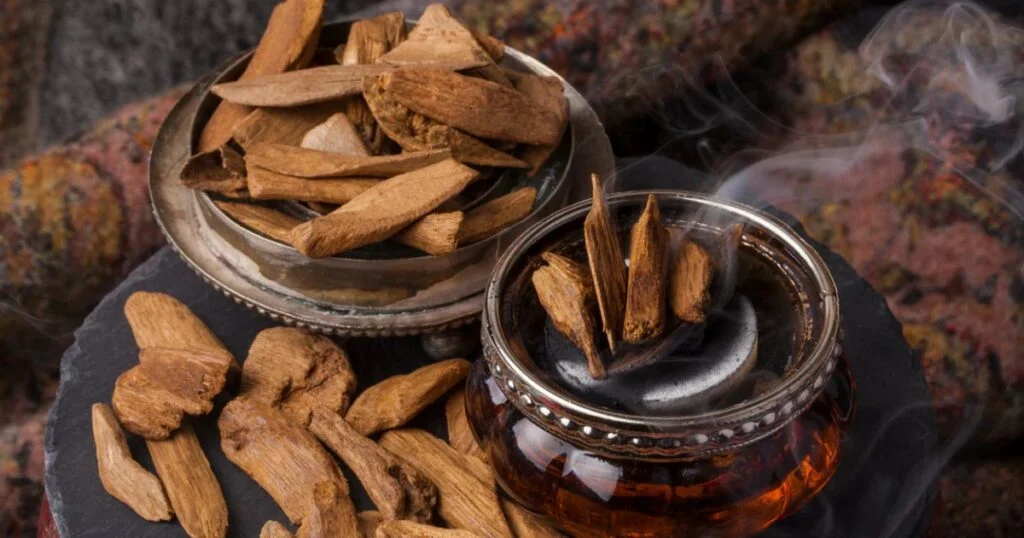
What Does Agarwood Smell Like? Its Characteristics, Factors & Uses

Agarwood, often referred to as oud or agar, is one of nature’s most prized aromatic treasures.

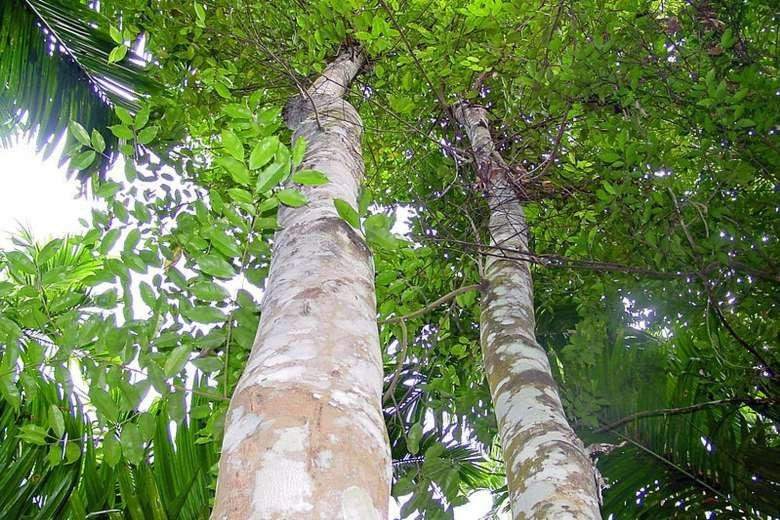
This fragrant resinous wood, derived from the heartwood of the genus Aquilaria tree, has captivated humanity for centuries. With its complex aroma, agarwood has found a place in perfumes, incense, and spiritual practices across cultures, including in countries like Thailand.

But what exactly does agarwood smell like? Let’s unravel the mystery behind its scent and explore its unique characteristics, factors influencing its fragrance, and its myriad uses.

What Does Agarwood Smell Like?
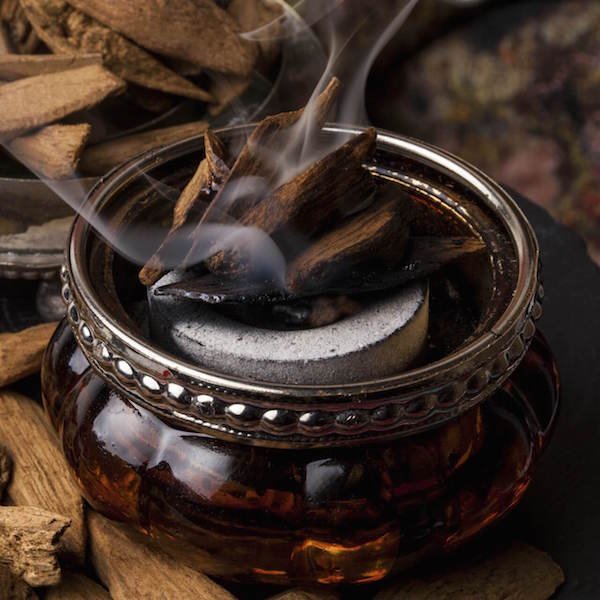
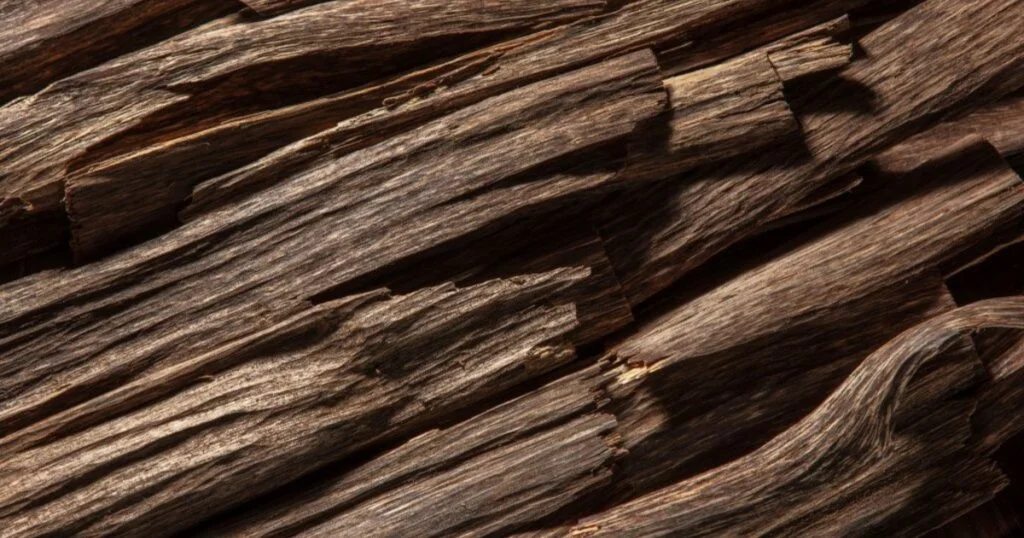
Agarwood, also known as oud, has a rich and complex fragrance that is highly prized for its depth and uniqueness. 

Its scent is often described as warm, woody, and resinous, with layers of sweetness, earthiness, and subtle hints of vanilla and musk. Depending on the tree species, resin content, and region of origin, the aroma can also include notes of spice, smokiness, or even floral undertones.

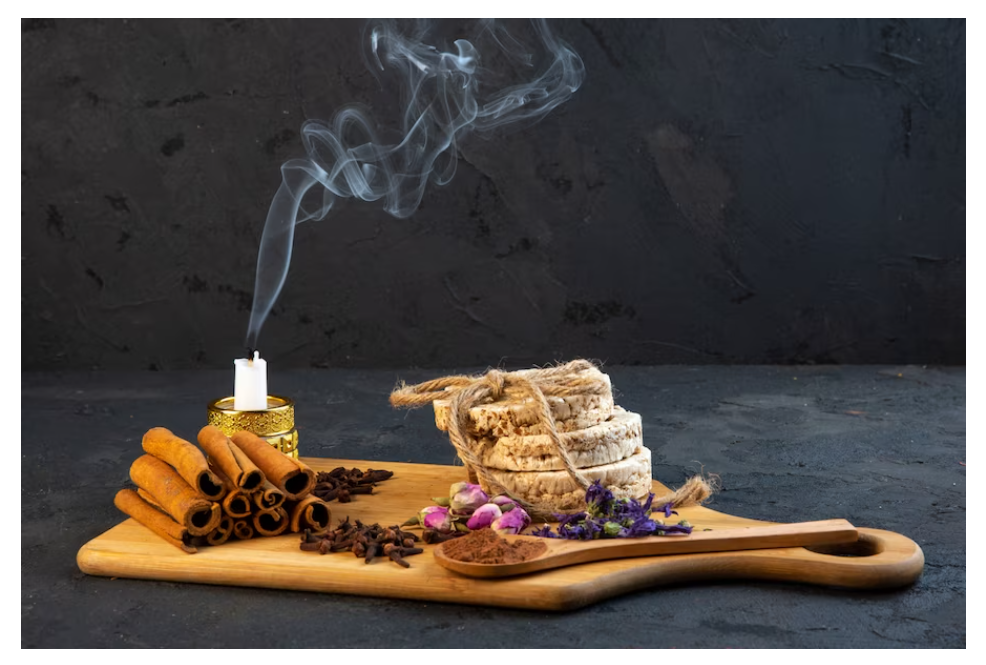
When burned or distilled into oud oil, agarwood releases a luxurious and grounding fragrance. The smoke from agarwood chips is particularly complex, combining deep woody tones with a vanillic sweetness and occasional sandalwood or cedar-like nuances. 

Its scent profile varies significantly—Cambodian oud, for example, is known for its sweet and floral characteristics, while Indian varieties may have warmer and spicier tones.

This intricate aroma has made agarwood a staple in luxury perfumery and spiritual practices for centuries. It is cherished for its ability to evoke tranquility and create a deeply immersive sensory experience.

Characteristics of Agarwood’s Fragrance

Characteristics of Agarwood Fragrance

Sweet and Woody Notes

Agarwood emanates a captivating blend of sweet and woody notes, creating a harmonious fragrance that is both enticing and calming, enhanced by floral notes like jasmine and citrus notes.

The sweet hints intermingle seamlessly with the earthy undertones, evoking a sense of warmth and richness.

These elements combine to form a complex aroma that lingers delicately on the senses, making agarwood a sought-after choice in the world of perfumery and incense crafting.

The woody essence of agarwood adds depth and character to its scent profile, enriched by the warm, balsamic note of myrrh, making it a popular choice for those seeking a unique olfactory experience.

Earthy and Spicy Undertones

Blending seamlessly with its sweet and woody essence, agarwood captivates with earthy and spicy undertones alongside sandalwood. This intricate olfactory profile, characteristic of high-quality agarwood, delivers a profound sensory experience.

The earthy facets evoke images of damp forests, while the spicy nuances add a touch of warmth and depth to the overall aroma. These complex notes, often found in agarwood from Southeast Asia and the Middle East, contribute to the allure and richness of this prized fragrance.

Variations in Scent by Region and Quality

The fragrance profile of agarwood varies widely:

  • Cambodian oud: Known for its floral sweetness.
  • Indian oud: Offers warm and spicy notes.
  • Vietnamese oud: Characterized by deep earthy tones.

The quality also plays a role; higher resin content results in a richer, more intense aroma.

Factors Influencing Agarwood’s Smell

Factors Influencing Agarwood Smell

Natural Vs. Synthetic Agarwood

Agarwood is highly prized for its distinctive aroma, but distinguishing between natural forests and synthetic varieties is important.

Natural agarwood, derived from agarwood trees in natural forests, offers a complex scent profile that synthetic versions struggle to replicate. The authenticity of natural agarwood is often tied to its source, such as old-growth forests in Southeast Asia.

Conversely, synthetic agarwood, while more affordable, lacks the depth and richness of natural agarwood’s fragrance. When choosing agarwood products, opting for natural oud oil ensures an unparalleled olfactory experience.

Aging and Resin Content

As agarwood ages, its resin content intensifies, deepening the complexity of its aroma. The resin, produced in response to injury or infection, imbues the wood with its distinctive fragrance.

Oud oil enthusiasts prize well-aged agarwood for its rich and potent scent. The resin content directly influences the depth and longevity of the fragrance, making older pieces highly sought after in perfumery and incense crafting.

This aging process enhances the overall quality and value of agarwood products.

How to Identify Genuine Agarwood By Its Scent?
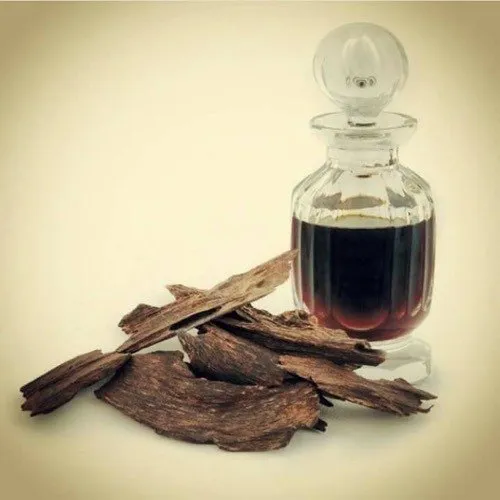
How to Identify Genuine Agarwood By Its Scent?

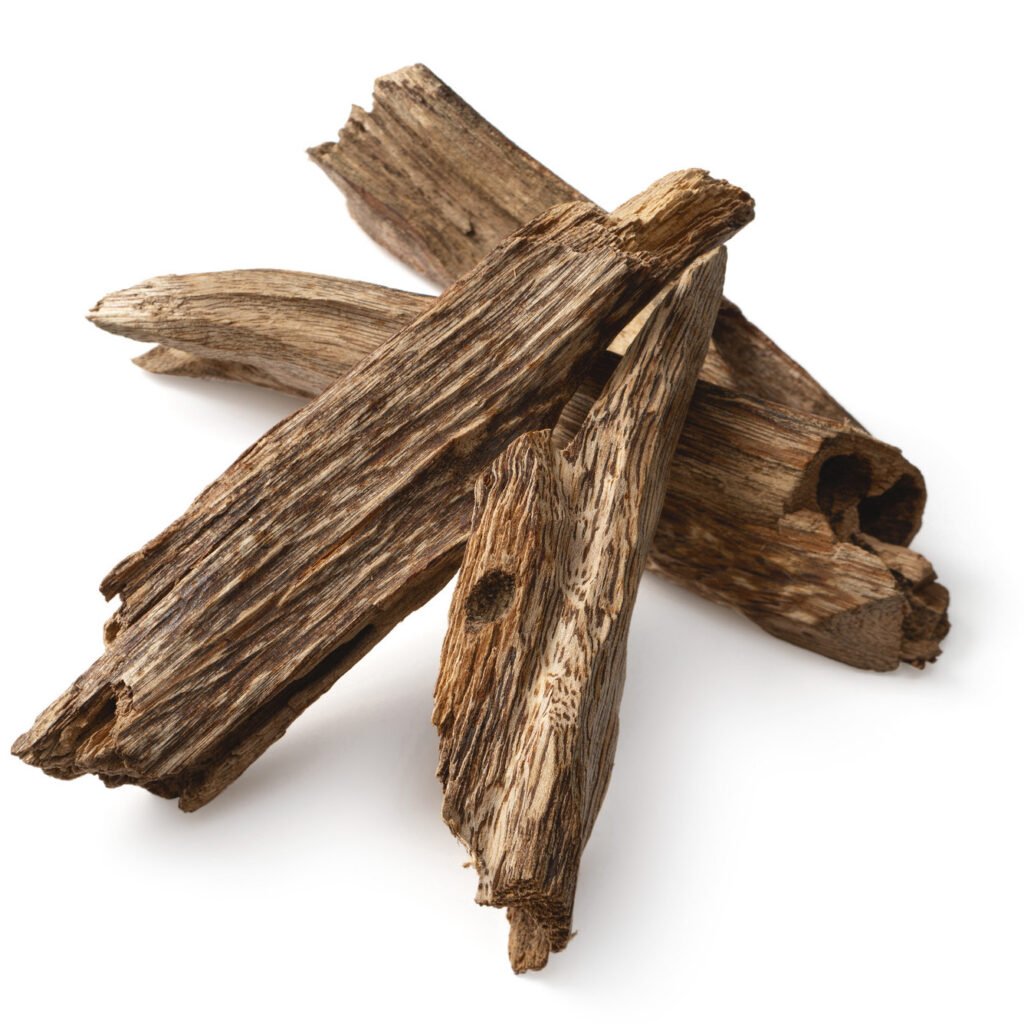
Authentic agarwood has an unmistakable depth that synthetic alternatives cannot replicate. When burned, genuine agarwood chips and this piece of wood emit a smooth, balsamic smoke with no harshness.

Similarly, pure agarwood oil carries a rich, long-lasting fragrance that evolves over time on the skin.

Uses Of Agarwood For Its Unique Aroma

Uses Of Agarwood For Its Unique Aroma

Perfumes and Incense

Agarwood’s captivating aroma is notably prized in the world of perfumes and incense, often enhanced with patchouli.

Extracted as oud oil, this precious essence, which can be quite expensive at prices reaching several thousand dollars per kilogram, finds its way into a myriad of fragrances and sacred blends, including references found in the bible.

Perfumers intricately weave agarwood’s woody and spicy notes into their creations, offering a luxurious and exotic olfactory experience. Incense enthusiasts seek agarwood incense for its divine and grounding properties, enhancing meditation and spiritual practices.

The rich history and complex aroma of agarwood make it a coveted ingredient in the realm of perfumery and incense crafting.

Aromatherapy and Spiritual Practices

Agarwood holds significance in aromatherapy and spiritual practices, known for its calming and grounding effects.

Utilized in meditation and religious ceremonies, including those in Buddhism, the scent of agarwood is believed to elevate spiritual experiences and promote inner peace.

In aromatherapy, agarwood’s complex aroma is harnessed to reduce anxiety, alleviate stress, and enhance mental clarity.

Its aromatic properties make it a sought-after choice for creating a serene ambiance conducive to spiritual reflection and holistic well-being. In both ancient traditions and modern practices, agarwood plays a vital role in promoting emotional balance and spiritual harmony.

FAQ’s:

Why is Agarwood So Expensive?

The rarity of naturally occurring agarwood makes it one of the most expensive raw materials globally. Overharvesting has led to the depletion of wild Aquilaria trees, further driving up costs.

Does All Agarwood Smell the Same?

Despite its varying scent profiles influenced by region and a wide range of qualities, agarwood does not smell the same across all types. Factors like natural vs. synthetic sources and resin content contribute to the distinct aromas found in different agarwood varieties.

How Long Does the Scent of Agarwood Last?

The captivating scent of agarwood can linger for hours to days, with high-quality varieties lasting longer. Factors like resin content and storage conditions influence its longevity. The rich aroma evolves over time, enhancing its depth and complexity.

Can You Describe the Smell of Burned Agarwood?

The smell of burned agarwood from Vietnam is captivating, releasing a rich and deep aroma. It exudes a mix of sweet, earthy, and slightly spicy notes, creating a warm and soothing ambiance. The scent lingers delicately, leaving a lasting impression.

Conclusion

Agarwood, also known as oudh, is a precious and sought-after aromatic wood that showcases nature’s remarkable ability to produce something truly exceptional.

Its captivating fragrance, often described as the smell of oud, can be experienced in various forms such as essential oils, incense sticks, or as a base note in perfumes, each telling a unique tale of artisanal skill, cultural heritage, and environmental balance.

The process of harvesting agarwood is labor-intensive and requires patience and expertise, especially in the context of sustainable plantation practices. The resin-infused heartwood of Aquilaria trees develops over time in response to certain stressors, resulting in the formation of this highly fragrant mold wood.

Due to its scarcity and the meticulous craftsmanship involved in its extraction, agarwood has become synonymous with luxury and exclusivity in the world of perfumery and aromatherapy.

Beyond its olfactory allure, agarwood holds cultural significance in many regions, including Japan, where it is deeply ingrained in traditions and rituals. Its use dates back centuries, with agarwood being prized for its therapeutic properties and its ability to evoke a sense of tranquility and spirituality.

Moreover, the sustainable harvesting and conservation of the collection of agarwood-bearing trees have gained attention due to the increasing demand for this rare natural resource, which is considered an endangered species of wild fauna and flora that is at risk of extinction in the context of international trade.

Efforts are being made to protect these endangered species while promoting ethical practices within the industry to ensure the longevity of this precious gift from nature.

At Shakomato Farm Organics, we honor this legacy by nurturing sustainable practices that preserve such treasures for generations to come.
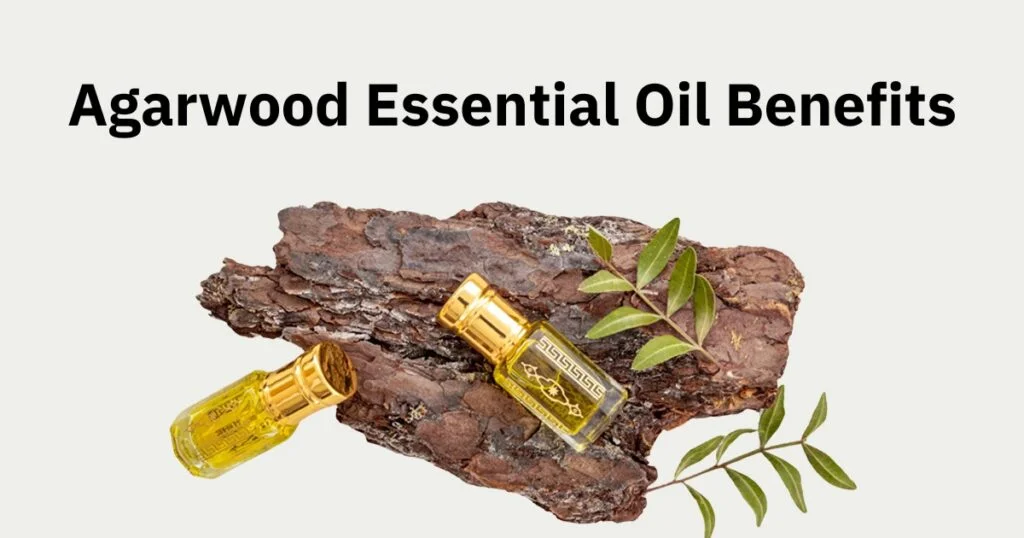
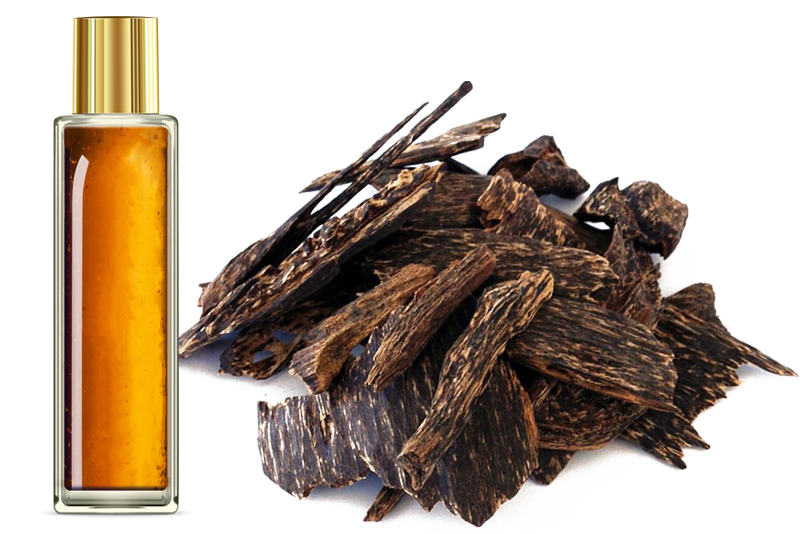
Top 9 Benefits Of Agarwood Essential Oil

Agarwood essential oil, also referred to as oud oil, stands out as one of the most coveted and valuable oils globally. This precious oil is derived from the resinous heartwood of Aquilaria trees, predominantly located in Southeast Asia.

Renowned for its opulent woody fragrance, therapeutic benefits, and cultural importance, agarwood oil has made a mark in various fields ranging from traditional Chinese medicine to contemporary skincare formulations.

The process of extracting agarwood oil is intricate and time-consuming, contributing to its exclusivity and high value in the market. Due to its rarity and unique aroma profile, agarwood oil is often used as a base note in luxury perfumery to create sophisticated and long-lasting scents.

Its therapeutic properties also make it a popular choice in aromatherapy for promoting relaxation, reducing stress, and enhancing overall well-being. Beyond its olfactory allure and wellness benefits, the fragrance of agarwood oil holds cultural significance in many regions where it is considered a symbol of luxury, spirituality, and status.

Its rich history dates back centuries, with references found in ancient texts and scriptures. Today, agarwood essential oil continues to captivate enthusiasts worldwide with its distinctive scent and holistic properties.

What’s Agarwood (Oud) Essential Oil?

What’s Agarwood (Oud) Essential Oil?

Agarwood essential oil is derived from the resin produced by Aquilaria trees, such as Aquilaria malaccensis and Aquilaria crassna.

The formation of agarwood resin occurs as a defense mechanism when the tree is infected by specific fungi or bacteria. The resulting resin-soaked wood is distilled to produce oud oil.

Known for its unique aroma and medicinal properties, agarwood oil has been used for centuries in religious ceremonies, traditional medicine, and perfumery.

How Agarwood Essential Oil is Made?

How Agarwood Essential Oil is Made?

The production of agarwood essential oil is a meticulous process:

  • Infection and Resin Formation: The tree undergoes a natural or induced fungal infection that triggers the secretion of a dark resin.
  • Harvesting: Once the resin has sufficiently developed over years, the infected wood is carefully harvested.
  • Distillation: The wood is soaked in water for weeks before being steam-distilled or hydro-distilled to extract the oil.
  • Storage: The extracted oil is aged to enhance its aroma and therapeutic properties.

This labor-intensive process, coupled with the rarity of high-quality agarwood, contributes to its high demand and price.

Benefits Uses Agarwood Essential Oil:

Benefits Uses Agarwood Essential Oil

Helps to Sleep Well

Agarwood essential oil is renowned for its calming effects on the mind and body. Its grounding aroma promotes relaxation, making it an excellent aid for improving sleep quality.

  • Lavender Essential Oil: Combining agarwood with lavender essential oil enhances its sedative effects, creating a soothing blend for restful sleep.
  • Cedarwood Essential Oil: Cedarwood complements agarwood’s woody scent while amplifying its ability to reduce stress and induce sleep.
  • Chamomile Essential Oil: Chamomile’s gentle floral notes pair well with agarwood to create a tranquil environment conducive to better sleep.

Digestive Support

Agarwood essential oil has carminative properties that help alleviate digestive issues such as abdominal pain, bloating, gas, and indigestion. Applying it with a carrier oil like coconut or sunflower oil on the abdomen can provide relief.

Soothes Joint Pain

The anti-inflammatory properties of agarwood essential oil make it effective in relieving joint pain associated with arthritis or muscle stiffness.

  • Coconut oil: Mixing agarwood with coconut oil enhances its absorption into the skin for targeted pain relief.
  • Sunflower oil: Sunflower oil serves as another excellent carrier for delivering agarwood’s pain-relieving benefits.
  • Saffron Oil: For added anti-inflammatory effects, saffron oil can be blended with agarwood.
  • Grape Seed Oil: Lightweight grape seed oil ensures quick absorption while complementing agarwood’s therapeutic action.

Solves Allergy Problems

Agarwood essential oil can alleviate symptoms of allergies such as sneezing, coughing, itchy eyes, and irritation. Its antimicrobial properties help reduce inflammation and soothe respiratory discomfort.

Common Allergy Symptoms Addressed:

  • Sneezing
  • Cough
  • Itchy eyes
  • Irritation and runny nose

Prevents Cancer Development

Preliminary studies suggest that agarwood essential oil contains compounds that may inhibit the growth of certain cancer cells, including those influenced by tumor necrosis factor. While more research is needed, its antioxidant properties show promise in reducing oxidative stress linked to cancer development.

Stress Relief

The warm woody scent of agarwood essential oil has been used for centuries in aromatherapy to reduce anxiety and promote mental clarity, showcasing the use of agarwood for its calming properties. Diffusing it or using it in massage oils can help alleviate stress effectively.

Anti-Aging Properties

Rich in antioxidants, agarwood essential oil combats free radicals that cause premature aging. It improves skin elasticity, reduces wrinkles, and soothes inflammation.

Skin Benefits:

  • Reduces wrinkles and fine lines
  • Treats acne
  • Soothes irritated skin

Common Skin Conditions Treated:

  • Eczema
  • Rosacea
  • Allergic reactions
  • Insect bites
  • Sunburn

Disinfection and Deodorization

Agarwood essential oil is a versatile and beneficial product due to its antimicrobial properties. Not only does it serve as a natural disinfectant, but it also has the ability to purify spaces when diffused, creating a clean and fresh environment. The oil is particularly effective in eliminating unpleasant odors, leaving behind a pleasant aroma that uplifts the atmosphere.

In addition to its antimicrobial benefits, agarwood essential oil is also known for its calming and grounding effects on the mind and body. When used in aromatherapy, it can help reduce stress and anxiety, promoting relaxation and mental clarity, including relief for the lower back. Its aromatic properties make it a popular choice for meditation and mindfulness practices.

Furthermore, agarwood essential oil is valued for its skincare benefits and is known for the property of agarwood that enhances its effects. It possesses anti-inflammatory properties that can help soothe irritated skin and reduce redness. When applied topically, it can hydrate and nourish the skin, promoting a healthy complexion.

Overall, agarwood essential oil is a valuable addition to any natural health and wellness routine, offering a wide range of benefits for both physical and emotional well-being.

Acne Treatment and Skin Care

Agarwood essential oil has gained attention in recent years for its potential benefits in skincare, particularly acne treatment.

While more research is needed to fully understand its efficacy, some people believe that agarwood oil’s purported antimicrobial and anti-inflammatory properties might help address acne concerns.

It’s thought that agarwood oil’s antimicrobial properties could potentially inhibit the growth of bacteria associated with acne breakouts. Additionally, its anti-inflammatory properties may help to reduce redness and inflammation associated with pimples.

However, it’s essential to use essential oils, including agarwood oil, cautiously in skincare, as they can be potent and irritate some individuals. Always dilute essential oils with a carrier oil before topical use and perform a patch test to check for sensitivities or allergies.

If you experience any adverse reactions, discontinue use immediately and consult with a dermatologist or qualified healthcare professional for further medical advice.

Chemical Composition of Agarwood Essential Oil

Chemical Composition of Agarwood Essential Oil

The chemical composition of agarwood essential oil varies depending on various factors, including the species of Aquilaria tree, the geographical origin, and the extraction method. However, regardless of these variations, agarwood oil is characterized by a complex blend of compounds that contribute to its unique aroma and therapeutic properties.

Key Compounds and Their Properties

The key compounds that contribute to agarwood essential oil’s therapeutic properties are largely attributed to its rich concentration of sesquiterpenes. These compounds are known for their ability to cross the blood-brain barrier, influencing the central nervous system and impacting mood, emotions, and even sleep patterns.

Agarospirol, for example, is a notable sesquiterpene in agarwood oil, often praised for its potential calming and relaxing effects. Another key compound, α-guaiene, possesses potential anti-inflammatory properties.

Understanding these key compounds and their potential therapeutic properties provides valuable insights into the various ways agarwood essential oil might support well-being, making it a fascinating subject of study in aromatherapy and natural health practices.

Unique Sesquiterpenes in Agarwood Oil

The unique chemical properties of agarwood oil are largely attributed to its diverse array of sesquiterpenes. These compounds not only contribute to the oil’s captivating aroma but also play a role in its potential therapeutic effects.

The sesquiterpenes in agarwood oil, vary depending on factors such as the age and species of the Aquilaria tree, the geographical location where it was grown, and the extraction method used.

This intricate interplay of factors results in a wide range of aroma profiles, adding to the allure and mystique surrounding agarwood oil. Understanding the unique sesquiterpene composition of different agarwood oil varieties can provide valuable insights for aromatherapy and natural health applications.

Precautions and Side Effects of Agarwood Oil

Precautions and Side Effects of Agarwood Oil

While agarwood oud oil offers numerous benefits, certain precautions should be observed:

  1. Perform a patch test before topical use to avoid allergic reactions or skin irritation.
  2. Pregnant or breastfeeding women should consult a healthcare professional before using agarwood products.
  3. Avoid excessive exposure to agarwood smoke if you have respiratory conditions like asthma.
  4. Use only authentic products from reputable sources to ensure safety and effectiveness.

FAQ’s:

What is Agarwood Oil, and How is it Made?

Agarwood essential oil is derived from the resinous wood of Aquilaria trees, primarily found in Southeast Asia. Species like Aquilaria malaccensis and Aquilaria crassna are highly valued. The oil is extracted from the heartwood, where the resin is most concentrated.

What is the Best Way to Store Agarwood Essential Oil?

To preserve the quality and potency of agarwood essential oil, storing it properly is essential. Like all pure essential oils and essential oil-based personal care products, store agarwood oil in a cool, dark place, away from direct sunlight and heat.

Can Agarwood Essential Oil Help With Skin Problems?

Agarwood essential oil can help with skin problems like rosacea due to its anti-inflammatory properties. It may soothe irritated skin and reduce redness. The oil’s antioxidant properties can also aid in skin repair and rejuvenation.

Can Agarwood Essential Oil Be Used Daily?

While agarwood essential oil is generally safe for topical use when diluted, using it daily is not recommended without first consulting with a qualified healthcare professional. Overuse of any essential oil, even when diluted, can potentially lead to skin sensitivity or other adverse reactions.

What Makes Agarwood Essential Oil So Expensive?

Several factors contribute to the high cost of agarwood essential oil. The primary factor is the scarcity of the raw material: high-quality agarwood resin is challenging to source due to overharvesting and the dwindling population of Aquilaria trees. Additionally, extracting the oil is labor-intensive and time-consuming, further adding to its expense.

How is Agarwood Oil Used in Spiritual Practices?

In spiritual practices and religious ceremonies, agarwood oil is used to deepen meditation, open the crown chakra, and connect with inner energy. Its grounding aroma enhances spiritual experiences.

Conclusion

Agarwood essential oil, often referred to as “liquid gold,” is a precious gift from nature that embodies luxury, tradition, and wellness. With its diverse range of benefits, this oil has been cherished for centuries for its therapeutic properties and cultural significance worldwide.

From enhancing skincare routines to promoting stress relief and relaxation, agarwood essential oil offers a holistic approach to well-being that aligns with both ancient practices and modern lifestyles.

One of the key benefits of agarwood essential oil is its ability to promote better sleep and relaxation, thereby improving the overall quality of life.

The oil’s soothing aroma can help create a calming environment conducive to restful sleep, making it a popular choice for those seeking natural remedies for insomnia or stress-related sleep disturbances.

Additionally, agarwood essential oil is valued for its skincare benefits and its unique integration with skincare products.

Rich in antioxidants and anti-inflammatory properties, this oil can help nourish the skin, reduce inflammation, and promote overall skin health. Whether used in facial serums, body oils, or bath products, agarwood essential oil provides a luxurious touch to any beauty regimen.

Moreover, the cultural significance of agarwood essential oil adds an extra layer of depth to its appeal.

Revered in various traditions and ceremonies across different cultures, agarwood has a long history of being used in spiritual practices and rituals as a symbol of purity and enlightenment.

In conclusion, agarwood essential oil stands out as a multifaceted wellness solution that bridges the gap between ancient wisdom and modern needs, although it is important to be aware of potential side effects. Its versatility in addressing skincare concerns, promoting relaxation, and honoring cultural traditions makes it a truly exceptional botanical treasure worth exploring.

Where Does Agarwood Grow & How It Is Formed & Cultivated?

Agarwood, often referred to as the “wood of the gods” and known as aloe wood in India, is a highly prized resinous wood that forms within certain species of the Aquilaria tree. 

Known for its distinctive fragrance, agarwood has been cherished for centuries for its use in perfumes, essential oils, incense sticks, and traditional medicine.

Its rarity and the intricate process of formation make it one of the most valuable natural products in the global market.

What is Agarwood?

What is Agarwood?

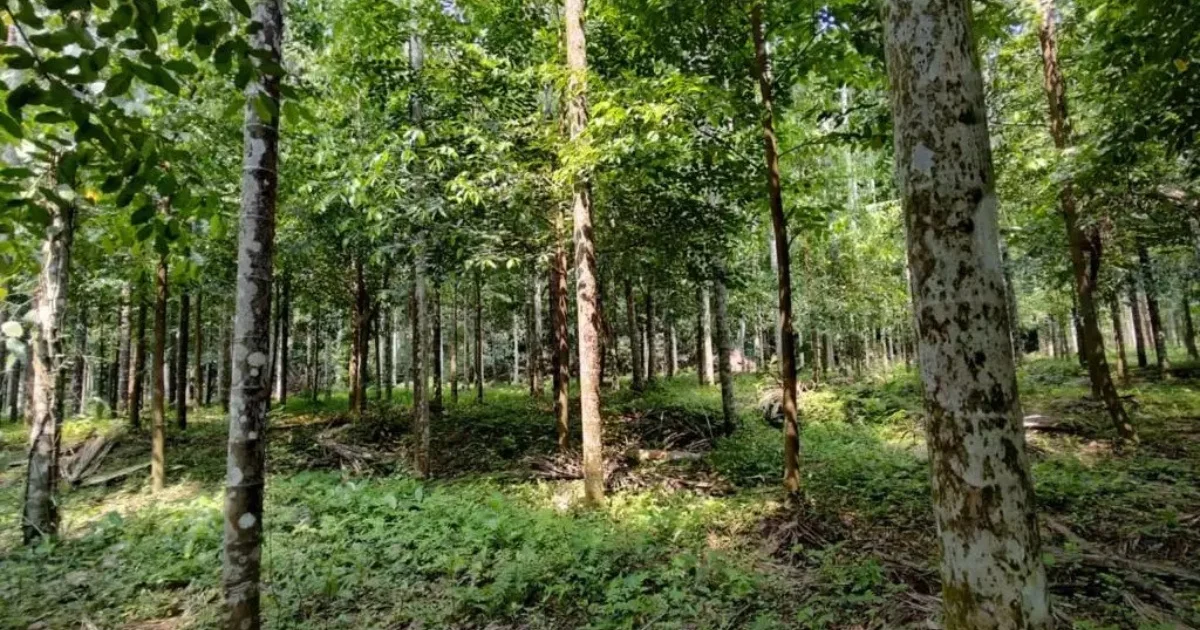
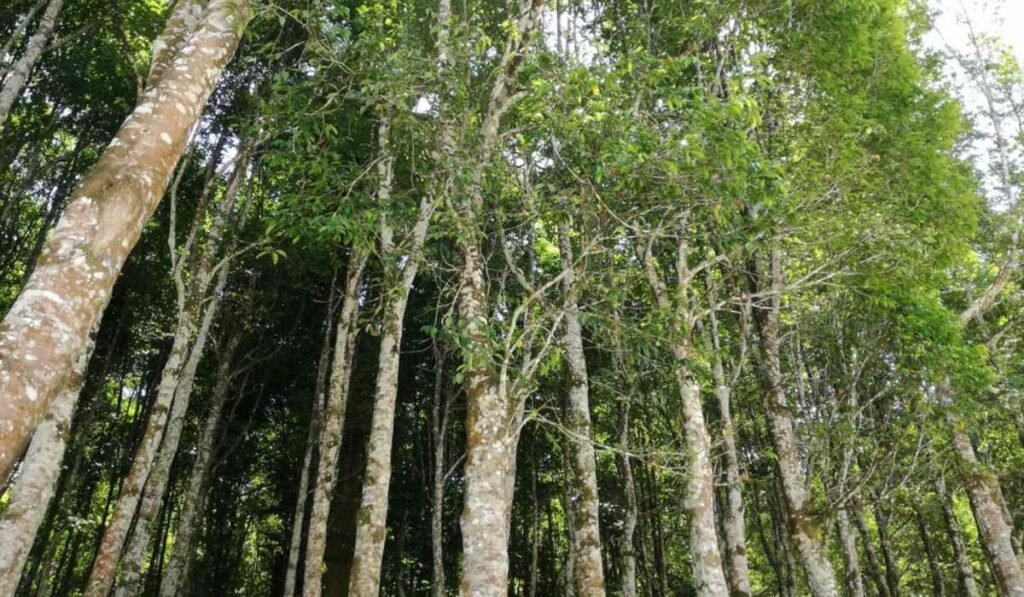
Agarwood, often referred to as oud, is a highly prized resinous wood known for its captivating fragrance. It originates from certain Aquilaria species, large evergreen trees native to Southeast Asia.

Unlike typical wood, agarwood’s aroma develops as a defense mechanism when the tree is infected with a specific type of mold or infested by insects.

In response to the attack, the tree produces a fragrant resin that gradually infiltrates the heartwood. This resinous heartwood, known as agarwood, is dark, dense, and possesses a complex, highly sought-after aroma. The quality and fragrance of agarwood vary greatly depending on factors like the species of tree, geographical location, and the duration of infection.

Where Does Agarwood Grow?

Where Does Agarwood Grow?

Agarwood trees thrive in tropical regions, particularly in Southeast Asia, including countries like India, Vietnam, Thailand, and Malaysia.

Shakomato has Agarwood plantations in Biswanath Chariali, Assam. The Soil of Assam provides an ideal environment for our cultivation of Agarwood due to its rich biodiversity and humid climate.

It is very close to Guwahati in Assam and you can see the plantations yourself by visiting this address:

P4M6+835, No.2 Chalia, Assam 784175, India.

You can find it on google maps by visiting this link.

Other than this, neighboring regions like Papua New Guinea and parts of South India also support agarwood growth.

How is Agarwood Formed?

How is Agarwood Formed?

Agarwood forms as a defense mechanism when Aquilaria trees are infected by fungi or bacteria.

This infection triggers the tree to produce a fragrant wood resin to protect itself. Over time, the resin saturates the heartwood, transforming it into the dark, aromatic agarwood we value so highly.

This natural process can take years and requires careful attention to ensure high-quality resin production.

What is the Significance of Agarwood?

Agarwood holds immense cultural, religious, and economic importance across various regions:

  • Cultural and Religious Significance: In many cultures across Southeast Asia and the Middle East, agarwood is burned during spiritual ceremonies for its calming aroma. It is mentioned in Ayurvedic medicinal texts for its therapeutic properties.
  • Uses in Perfumes and Essential Oils: Agarwood oil is a cornerstone of luxury perfumery due to its rich and long-lasting fragrance.
  • Economic Value: The global market for agarwood products is highly lucrative due to its high demand and limited supply. A single kilogram of wood or oil can fetch substantial prices internationally.

Is Agarwood Sustainable?

Is Agarwood Sustainable?

The sustainability of agarwood production has become a pressing concern due to overharvesting and habitat loss. Wild Aquilaria trees are now classified as endangered species under Appendix II of CITES (Convention on International Trade in Endangered Species).

However, sustainable farming practices are emerging as a solution to meet demand while conserving natural resources.

How is Agarwood Cultivated?

How is Agarwood Cultivated?

Cultivating agarwood involves creating favorable conditions for resin production. While agarwood can form naturally in the wild, it is a rare occurrence. Plantation cultivation allows for more controlled and sustainable production methods.

One common technique is artificial inoculation, where young trees are deliberately infected with the fungus that triggers agarwood formation. This method helps to produce agarwood more efficiently and sustainably compared to relying solely on natural occurrences.

Natural Growth Vs. Plantation Cultivation

There are key differences between agarwood obtained from natural growth and plantation cultivation. Naturally formed agarwood is rare and highly prized due to the complex aroma that develops over many years, influenced by the tree’s natural environment.

However, the high demand and overharvesting of wild trees make natural agarwood unsustainable. Here’s where plantation cultivation plays a vital role in meeting the demand while ensuring the species’ survival.

Plantation cultivation offers a more controlled environment and utilizes techniques like:

  • Fungal inoculation to induce resin production.
  • Sustainable harvesting methods less damaging to the trees.
  • Regulated harvesting to ensure the long-term health of the plantations.

At Shakomato, we take pride in cultivating agarwood sustainably, ensuring a balance between meeting market demand and conserving natural resources. Our plantations are carefully managed to mimic the trees’ natural environment while implementing ethical harvesting practices.

Sustainable Agarwood Farming Practices

Implementing sustainable practices is important for the long-term well-being of both the agarwood industry and the Aquilaria species.

Shakomato’s Sustainable agarwood production farming involves a holistic approach, focusing on responsible harvesting techniques and minimizing the environmental impact.

Sustainable methods involve planting Aquilaria trees in degraded lands or rural areas while ensuring that resin extraction does not deplete resources. These practices benefit local communities by creating jobs and preserving biodiversity.

Is Agarwood Cultivation Legal Everywhere?

Is Agarwood Cultivation Legal Everywhere?

The legality of agarwood cultivation varies by region due to its status as an endangered species. While countries like India have regulated agarwood farming under strict guidelines, international trade requires permits to prevent exploitation of aromatic plants.

Farmers must adhere to local laws to ensure compliance with conservation efforts.

Why is Agarwood Important?

Why is Agarwood Important?

Agarwood’s importance stems from its multifaceted nature.

It is deeply rooted in cultural and religious traditions, valued for its aromatic properties, and holds economic significance for local communities. The wood’s alluring fragrance and the essential oil derived from it have made it highly sought-after for centuries.

This demand makes sustainable production and ethical sourcing important to protect the future of these valuable trees while respecting the cultural heritage they represent.

Cultural and Religious Significance

Agarwood, also known as “oud,” holds a significant cultural and spiritual value in East Asia and the Middle East, where it has been revered for centuries. This aromatic resin is considered a symbol of divinity and purity, often used in religious rituals, meditation practices, and traditional medicine.

The rich, woody scent of agarwood is believed to have therapeutic properties and medicinal uses that promote relaxation and mental clarity. In traditional medicine, agarwood is used to treat various ailments such as digestive issues, respiratory problems, and skin conditions.

Its rarity and unique fragrance have made it highly sought after for perfumes, incense, and spiritual ceremonies across different cultures, especially in the use of agarwood. The deep-rooted significance of agarwood in these regions reflects its enduring allure and timeless appeal.

Uses in Perfumes and Essential Oils

Agarwood oil, derived from agarwood chips, is highly sought after in the fragrance industry for its intricate chemical composition that produces distinctive aromatic profiles.

The oil is prized for its rich and exotic scent, making it a popular choice for luxury perfumes and colognes. Its complex blend of compounds adds depth and character to fragrances, creating a sense of sophistication and elegance.

Agarwood oil is often referred to as “liquid gold” due to its rarity and exquisite fragrance notes, which can range from woody and earthy to sweet and floral. Perfume houses around the world covet agarwood oil for its ability to elevate scents and evoke a sense of luxury and exclusivity.

Economic Value of Agarwood

Agarwood, renowned for its scarcity, stands out as one of the most costly woods on a global scale, with yields reaching kg of wood from specific trees. Its cultivation not only offers substantial income prospects for rural farmers but also plays a pivotal role in international trade.

The demand for agarwood stems from its versatile uses in luxury perfumes, incense, and traditional medicine. Due to its limited availability and the time-consuming process required to extract the resin, agarwood commands high prices in the market.

Its unique fragrance and cultural significance have made it a prized commodity in various parts of the world, leading to sustainable economic opportunities for communities involved in its production.

Shakomato’s efforts are being made to promote responsible agarwood harvesting practices to ensure its conservation for future generations.

How Do I Store Agarwood?

How Do I Store Agarwood?

Proper storage is essential to preserve the quality and fragrance of your agarwood. Given its value and the delicate nature of its aroma, the right storage conditions can significantly impact its longevity.

Here are some tips for storing agarwood:

  • Cool, dark, and dry place: Humidity and direct sunlight can degrade the quality of agarwood.
  • Airtight container: Store it in an airtight container to prevent the volatile compounds from evaporating and to protect it from pests.
  • Wrapped in cloth: Consider wrapping your agarwood in a soft, breathable cloth like cotton or muslin before placing it in the container. This helps absorb any excess moisture.

How Do I Identify Genuine Agarwood?

How Do I Identify Genuine Agarwood?

Identifying genuine agarwood can be challenging, especially with the presence of counterfeit or adulterated products in the market.

However, there are a few methods commonly used:

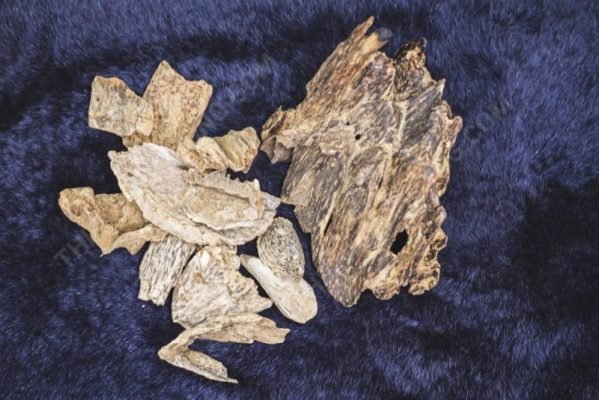
  1. Visual Inspection: Genuine agarwood is typically dark, dense, and resinous. The color can range from dark brown to almost black, depending on the concentration of resin. You might also notice streaks or patterns in the wood, which are indicative of resin formation.
  2. Burn Test: A common method to test agarwood’s authenticity is the burn test. Heat a small piece of the wood with a lighter or incense burner. Genuine agarwood will release a sweet, woody, and long-lasting aroma when burned, while artificial scents will quickly dissipate or smell unpleasant.

FAQ’s

What are the main factors affecting agarwood quality?

Agarwood quality is influenced by the species of Aquilaria, geographical location, resin production (concentration and aroma), age of the tree, and post-harvesting processes.

The quality depends on factors like tree species (e.g., Aquilaria malaccensis or Aquilaria crassna), resin content, age of the tree, and method of resin formation (natural vs artificial inoculation).

Why is agarwood so valuable in the perfume industry?

Agarwood oil, known as oud, is highly prized for its distinctive fragrance, often described as woody, balsamic, and slightly sweet, making it a sought-after ingredient in luxury perfumes.

Agarwood oil contains rare chemical compounds that produce complex fragrances unmatched by synthetic alternatives.

What are the conservation statuses of agarwood-producing species?

Many agarwood-producing species are considered endangered due to overharvesting and habitat loss. International trade is regulated under CITES to protect these valuable species.

Most wild Aquilaria species are listed as endangered due to overharvesting. Conservation efforts focus on plantation cultivation to reduce pressure on wild populations.

Can Agarwood Grow Outside Its Native Regions?

Agarwood can grow outside its native regions, but it thrives best in specific conditions. Factors like climate, soil type, and care play crucial roles in successful cultivation. Understanding these requirements is essential for cultivating agarwood beyond its native regions.

While native to tropical Southeast Asia, Aquilaria trees can adapt to similar climates in other regions like Papua New Guinea or parts of Africa with proper care.

Conclusion

Agarwood, a precious commodity with rich cultural and economic value, thrives in specific regions under optimal conditions, including agarwood-producing areas, contributing to the sustainable production of agarwood particularly in the Shakomato’s plantation areas in Assam.

Agarwood’s growth, significance, and sustainable cultivation practices are important. This aromatic resin holds not just economic importance but also plays a significant role in various traditions and industries.

Agarwood represents a unique blend of nature’s resilience and human ingenuity. From its humble origins as an infected heartwood to its transformation into fragrant resinous wood cherished worldwide, it embodies both ecological significance and economic potential.

Shakomato is dedicated to embracing sustainable farming practices and respecting legal frameworks ensures that this “resinous treasure” continues enriching lives while preserving our planet’s biodiversity for generations to come.
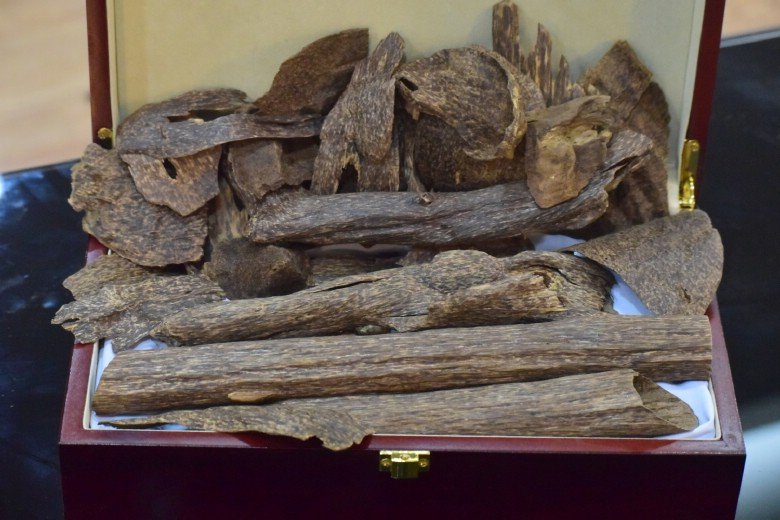
What is Agarwood? Its History, Uses, Types & How it is Formed?

Agarwood is a precious wood found in Aquilaria trees’ core, highly valued and rare. It’s often mentioned in Google Scholar studies.

Agarwood is admired for its rich scent and various uses. It originates from Southeast Asia and holds cultural, healing, and economic value. This resin has fascinated societies for ages, becoming part of customs, ceremonies, and high-end products.

Agarwood is unique. Its story is fascinating. Let’s explore why it’s special and its interesting history.

What is Agarwood?

What is Agarwood?

Agarwood is a special substance found in certain trees. It’s resinous wood created in Aquilaria trees.

These magnificent trees, native to Southeast Asia, possess a unique defense mechanism. When attacked by fungi or borers, they release a fragrant resin into the heartwood. This resin-infused wood, with its captivating aroma, is what we call agarwood.

The resin itself, known as oud oil, is extracted from agarwood to create a highly prized essential oil used in perfumery.

However, the allure of agarwood extends beyond its enchanting scent. From incense and traditional medicines to intricate carvings and religious artifacts, agarwood products have captivated civilizations for centuries, as mentioned in texts like Sahih Muslim.

History and Origin of Agarwood

History and Origin of Agarwood

The history of agarwood dates back thousands of years. It has been referenced in ancient texts from South Asia, East Asia, and the Middle East, including mention of its significance in the United Arab Emirates. 

In traditional Chinese medicine and religious ceremonies across cultures, agarwood was valued for its calming properties and spiritual significance.

The trade of agarwood flourished along the Silk Road, connecting Southeast Asian countries like Vietnam and Laos to markets in the Middle East, India, and beyond.

How is Agarwood Formed?

How is Agarwood Formed?

The formation of agarwood resin is a fascinating, albeit complex, process. It begins when an Aquilaria tree suffers an injury, often caused by a fungal infection or burrowing insects.

As the tree attempts to heal, it secretes a fragrant resin into the affected area. This resin, a complex cocktail of aromatic compounds, gradually impregnates the surrounding wood, transforming it from a pale, unscented material into the dark, fragrant treasure we know as agarwood.

The quality and fragrance of agarwood are influenced by several factors – the species of tree, the type of infection, and the duration of resin formation. It’s a slow and unpredictable process, with only a small percentage of Aquilaria trees actually producing agarwood.

The Role of Aquilaria Trees

Agarwood originates from trees belonging to the Aquilaria genus—most notably Aquilaria malaccensis and Aquilaria crassna.

Among the various species of Aquilaria, these trees thrive in natural forests across Southeast Asia, including regions like Papua New Guinea and Sri Lanka. However, not all Aquilaria trees produce agarwood; it forms only when the tree undergoes a specific transformation.

The Process of Infection and Resin Formation

When Aquilaria trees are wounded or infected by a fungal invasion (commonly from species like Phialophora), they produce a dark resin as a defense mechanism in the infected heartwood of Aquilaria species. Over time, this resin saturates the heartwood, turning it into the fragrant agarwood we know. This process can take years or even decades, making natural agarwood incredibly rare.

What Are The Uses Of Agarwood?

What Are The Uses Of Agarwood?

Perfumes and Fragrances

Agarwood oil, also known as oud oil, is one of the most expensive essential oils in the world. Its rich, woody scent with sweet undertones makes it a prized base note in high-end perfumes. The Middle East, particularly Saudi Arabia, is renowned for its love of oud-based fragrances.

Medicinal Applications

In traditional medicine systems like Ayurveda and traditional Chinese medicine, agarwood is used to treat various ailments, including infectious diseases. It is believed to have properties that alleviate stress, improve digestion, and reduce oxidative stress caused by free radicals.

Religious and Cultural Significance

Agarwood has deep spiritual roots. It is burned as incense during religious ceremonies in Hinduism, Buddhism, and Islam. In many cultures across Southeast Asia and the Middle East, agarwood chips are used to create a calming atmosphere during meditation or prayer.

Types of Agarwood

Types of Agarwood

Natural Vs. Cultivated Agarwood

Natural agarwood forms in wild Aquilaria trees over decades but is increasingly rare due to overharvesting. Cultivated agarwood involves human intervention—such as fungal inoculation—to stimulate resin production in plantation-grown trees. Both types are valuable but differ in quality and price.

Regional Variations in Agarwood Quality

The quality of agarwood varies depending on its region of origin. For instance:

  • Agarwood from Vietnam is known for its sweet aroma.
  • Papua New Guinea produces agarwood with earthy notes.
  • Indian varieties often possess a spicy scent profile.

How to Spot Real Agarwood?

How to Spot Real Agarwood?

Real agarwood is dense and dark because of its resin. It may feel oily or sticky.

The scent is earthy, sweet, and smoky when burned or made into oil, lasting for hours.

To confirm it’s genuine:

  • Burn a small piece – real agarwood smells rich with little smoke.
  • If buying processed versions, look for certificates to support ethical sourcing practices.

Why is Agarwood So Expensive?

Why is Agarwood So Expensive?

The high value of agarwood can be attributed to a confluence of factors, chief among them its rarity and the labor-intensive process of producing this precious resin.

In the wild, only a tiny percentage of Aquilaria trees become infected and produce agarwood naturally, making it a rare and sought-after commodity. This scarcity, coupled with the ever-increasing global demand, has driven the price of natural agarwood to astronomical levels.

Moreover, the transformation of resinous wood into valuable products involves a complex and labor-intensive process.

From harvesting the infected trees and carefully extracting the resinous heartwood to distilling the fragrant oil and crafting intricate agarwood products, each step demands skilled craftsmanship and traditional knowledge passed down through generations.

This intricate process, combined with the rarity of the source material, contributes to the exceptional value placed on agarwood.

Rarity and Demand

The soaring price of agarwood is, in large part, a reflection of the basic principles of supply and high demand.

The demand for agarwood—driven by its use in perfumery, traditional medicine, and religious ceremonies—has skyrocketed in recent years, particularly in the Middle East and East Asia, where its cultural and religious significance is deeply rooted.

However, the supply of wild agarwood has dwindled drastically. Overharvesting, driven by its high value, has decimated natural populations of Aquilaria trees, pushing many species onto the endangered list. This scarcity, coupled with legal restrictions on trade in some species, has further fueled the price of natural agarwood and the interest in agarwood formation techniques.

Efforts to cultivate agarwood sustainably have helped to alleviate some of the pressure on wild populations, but the demand for this precious wood continues to outpace supply.

As long as this imbalance exists, and the allure of agarwood continues to captivate cultures around the world, its high price is likely to persist.

Labor-Intensive Production Process

The journey from a resin-infused tree to a finished agarwood product involves a surprisingly labor-intensive process, further explaining its hefty price tag, especially considering the amount of resin extracted.

Once an Aquilaria tree is harvested, often after decades of growth, skilled workers must painstakingly identify and extract the resinous heartwood, a task requiring years of experience and a keen eye.

The extracted agarwood then undergoes various processing methods depending on its intended use.

This could involve grinding it into powder for incense, chipping it for distillation to extract the precious oud oil, or carving it into intricate shapes for religious artifacts and decorative pieces.

The production of agarwood oil, in particular, is a time-consuming and intricate process. Traditional methods often involve steam distillation, requiring specialized knowledge and careful control of temperature and pressure to extract the pure and highly concentrated oud oil.

This meticulous process, combined with the rarity of the raw material, contributes to the high value of agarwood oil.

FAQ’s:

Can Agarwood Be Grown Everywhere?

While Aquilaria trees, the source of agarwood, are primarily found in Southeast Asia and New Guinea, their cultivation has expanded to other regions with suitable conditions. However, not all cultivated agarwood is of equal quality, and sustainable practices are crucial to protect this valuable species, listed under CITES Appendix II due to threats to wild populations.

What Are the Legal Aspects of Trading Agarwood?

International trade in agarwood is regulated under CITES (Convention on International Trade in Endangered Species of Wild Fauna and Flora) as many species, listed under Appendix II, face threats from overharvesting. Legal trade requires permits and adherence to strict regulations to ensure the sustainability of agarwood.

What does agarwood smell like?

Agarwood emits a rich, woody aroma with sweet and earthy undertones. Its fragrance is often described as complex, warm, and intoxicating, with hints of vanilla, spice, and musk. The scent varies depending on the type of agarwood and its quality.

Is agarwood sustainable?

Sustainable agarwood production involves planting Aquilaria trees on plantations and employing methods that induce resin production without harming the trees. This, combined with conservation efforts and responsible harvesting, is crucial to protect endangered species and ensure a sustainable future for agarwood.

How is agarwood harvested?

Traditional agarwood harvesting involves selectively cutting infected portions of mature Aquilaria trees, leaving the healthy parts intact to promote regeneration. The resinous wood is then carefully separated, producing agarwood chips, which undergo further processing.

Can agarwood be artificially produced?

While synthetic alternatives exist, true agarwood cannot be artificially produced. However, various methods, including fungal inoculation and chemical induction of chemical compounds, are employed to stimulate resin production in cultivated Aquilaria species, increasing agarwood yield.

What are the best regions for agarwood production?

Southeast Asia, particularly countries like Vietnam, Indonesia, and Thailand, are renowned for producing high-quality agarwood. However, East Asia, particularly certain regions of China, also contribute to agarwood production, each region boasting its own regional specialties.

Conclusion

Agarwood’s journey—from an unassuming tree in Southeast Asia to a globally treasured commodity—is nothing short of extraordinary. Its rarity stems from the delicate interplay between nature’s processes and human ingenuity through sustainable practices like cultivated production.

Whether cherished for its aromatic resin or revered for its cultural significance, agarwood remains an enduring symbol of luxury and spirituality—a true testament to nature’s wonders intertwined with human tradition.

windows 7 loader 2.2 2 zip filehippo ✓ Download Windows 7 Loader 2.2.2 Tool to Activate OS


Download Windows 7 Loader 2.2.2 Zip for Full Windows 7 Activation

If you are looking to activate your Windows 7 operating system fully, the windows 7 loader 2.2 2 zip filehippo is a popular tool that many users turn to. This loader helps users bypass the activation process, allowing them to use all the features of Windows 7 without restrictions. The windows 7 loader 2.2 2 zip filehippo is easy to download and use, making it a convenient choice for those who want a quick solution for activation.

Using the windows 7 loader 2.2 2 zip filehippo ensures that your system appears genuine to Microsoft, which means you can receive updates and support without any issues. This tool is designed to work with different versions of Windows 7, providing a reliable way to unlock the full potential of your operating system. Many users prefer the windows 7 loader 2.2 2 zip filehippo because it is lightweight and does not require complicated installation steps.

How to Download and Install Windows 7 Loader 2.2.2 Activation Tool

The windows 7 loader 2.2 2 zip filehippo is a popular choice for users who want to complete the software activation of their Windows 7 system. This windows 7 activation tool helps simplify the windows 7 activation process, making it easier to unlock all features without restrictions. Below, you will find detailed information on how to download, system needs, and installation steps for this windows 7 activation software.

Step-by-Step Guide to Download Windows 7 Loader 2.2.2 Zip File

Downloading the windows 7 loader download is simple when you follow these steps carefully:

  1. Prepare your computer by closing all running programs.
  2. Locate the windows 7 loader 2.2 2 zip filehippo on your device or download it from a trusted source.
  3. Save the zip file to an easy-to-find folder on your computer.
  4. Extract the contents of the zip file using a file extractor tool.
  5. Review the extracted files to ensure everything is ready for installation.

Tip: Always scan downloaded files for viruses before opening them to keep your system safe.

System Requirements for Windows 7 Loader Activation Tool

Before starting the windows 7 activation process with this loader, make sure your computer meets the following requirements:

Requirement Details
Operating System Windows 7 (all editions)
Processor 1 GHz or faster
RAM Minimum 1 GB
Disk Space At least 50 MB free
User Permissions Administrator access needed

Meeting these requirements ensures the windows 7 activation software runs smoothly and completes the activation without errors.

Installation Process for Windows 7 Loader 2.2.2 Activation Software

Once you have the windows 7 loader download ready and your system meets the requirements, follow these steps to install the windows 7 activation tool:

  • Run the extracted loader file as an administrator.
  • Follow the on-screen instructions carefully.
  • The software activation will begin automatically.
  • Wait for the process to complete; this may take a few minutes.
  • Restart your computer to apply the changes.

Note: Avoid interrupting the windows 7 activation process to prevent errors or incomplete activation.

Using this windows 7 activation software helps you bypass the usual windows 7 activation process, making your system appear genuine and fully functional.

Windows 7 Activation Process Using Loader 2.2.2

The windows 7 activation process using Loader 2.2.2 is a popular windows 7 activation method that helps users activate their operating system quickly. This windows 7 activation utility works by modifying system files to make Windows 7 appear genuine. It bypasses the usual activation steps, allowing full access to all features without restrictions.

Using this loader simplifies the windows 7 activation process, especially for those who find the official activation steps complicated. It is important to follow the instructions carefully to ensure the activation completes successfully.

How to Activate Windows 7 for Free Using Loader Tool

To activate Windows 7 for free using the loader tool, follow these simple steps:

  1. Close all running programs on your computer.
  2. Run the loader as an administrator.
  3. Click the “Install” button in the loader interface.
  4. Wait for the windows 7 activation utility to complete the process.
  5. Restart your computer to apply the changes.

Remember: Interrupting the windows 7 activation process may cause errors or incomplete activation.

Understanding Windows 7 Activation Methods and Utilities

There are several windows 7 activation methods available, but using a loader like version 2.2.2 is one of the easiest. This windows 7 activation utility works by emulating a valid activation key, making the system think it is genuine.

Other activation methods may include entering a product key manually or using online activation through Microsoft servers. However, these methods can sometimes be complicated or require purchasing a license.

Activation Method Description Ease of Use
Manual Product Key Entry Entering a purchased key manually Moderate
Online Activation Activating through Microsoft servers Easy
Loader Activation Utility Using a tool to bypass activation checks Very Easy

Windows 7 Genuine Validation and Registration Explained

Windows 7 genuine validation is a process that checks if your copy of Windows is original and properly licensed. When you complete the windows 7 activation process, your system registers with Microsoft to confirm authenticity.

This registration allows you to receive important updates and support. The windows 7 activation utility helps your system pass this validation by making it appear as a genuine copy.

Note: Genuine validation helps protect your computer from security risks and ensures you get the best performance.

Common Activation Issues and How to Fix Them

Sometimes, users may face problems during the windows 7 activation process. Here are common issues and solutions:

  • Activation Failed Error:
    Try running the windows 7 activation utility as an administrator and disable antivirus temporarily.

  • System Says Windows is Not Genuine:
    Re-run the loader tool and restart your computer.

  • Activation Timeout:
    Check your internet connection or try activating offline using the loader.

Tip: Always make sure your system date and time are correct before starting the activation process.

Features and Benefits of Windows 7 Loader 2.2.2 Activation Tool

The Windows 7 Loader 2.2.2 activation tool is designed to help users activate their Windows 7 operating system easily and quickly. This activation software works by making the system appear genuine to Microsoft, allowing full access to all Windows 7 features without restrictions. It is a popular choice because it is simple to use and does not require complicated steps.

One of the main benefits of this activation tool is that it supports multiple versions of Windows 7, making it versatile for many users. Additionally, the Windows 7 loader download is lightweight, so it does not take up much space on your computer. Using this activation tool also means you can receive important updates and security patches from Microsoft, keeping your system safe and up to date.

Feature Benefit
Supports all Windows 7 editions Works with many versions of Windows 7
Lightweight software Saves disk space and runs smoothly
Easy to use interface Simple activation process for all users
Enables genuine validation Allows updates and support from Microsoft

This activation tool is a reliable way to unlock the full potential of Windows 7 without needing to buy a product key. It helps users avoid annoying activation reminders and enjoy a fully functional system.

Advantages of Using Windows 7 Loader Activation Software

Using the Windows 7 loader activation software offers several advantages:

  • Quick Activation: The activation process is fast and usually completes within minutes.
  • No Internet Required: You can activate Windows 7 offline without needing an internet connection.
  • Free to Use: This activation tool is available without cost, making it accessible for everyone.
  • Safe for System Files: It modifies system files carefully to avoid damage or errors.
  • Works on Multiple Editions: Compatible with Home, Professional, Ultimate, and other Windows 7 editions.

Note: Always run the activation tool as an administrator for the best results.

How Windows 7 Loader Unlocks Full Windows 7 Functionality

The Windows 7 loader works by emulating a valid activation key inside the system. This tricks Windows into thinking it has been properly activated. Once activated, all features of Windows 7 become available, including personalization options, updates, and security features.

This activation tool changes the system’s activation status without altering important system files permanently. It creates a secure environment where Windows behaves as if it is genuine. This means users can:

  • Customize desktop backgrounds and themes
  • Receive automatic updates from Microsoft
  • Access all built-in Windows 7 features without limitations

By using this activation tool, users avoid the common restrictions that come with unactivated Windows versions.

Differences Between Windows 7 Loader Crack, Patch, and Keygen

When it comes to activating Windows 7, there are different types of tools available. Here’s how the Windows 7 loader compares to cracks, patches, and keygens:

Tool Type How It Works Safety Level Ease of Use
Loader Emulates activation key in system High (if from trusted source) Very Easy
Crack Modifies system files directly Medium (risk of errors) Moderate
Patch Changes activation-related files Medium (may cause instability) Moderate
Keygen Generates fake product keys Low (may be detected) Easy

The Windows 7 loader is generally safer and easier to use than cracks or patches because it does not permanently alter system files. Keygens only provide fake keys and do not activate the system by themselves. Therefore, the loader is often the preferred activation tool for Windows 7 users.

Frequently Asked Questions (FAQ)

Many people have windows 7 activation questions when they try to activate their system. The windows 7 activation FAQ below answers some common concerns about the windows 7 activation process.

What Is the Windows 7 Activation Process?

The windows 7 activation process is how Microsoft checks if your copy of Windows 7 is genuine. It usually involves entering a product key and connecting to Microsoft servers. Activation unlocks all features and lets you get updates.

Why Do I Need to Activate Windows 7?

Activation helps make sure your copy of Windows 7 is real. Without activation, some features may be limited, and you might see reminders to activate. It also allows you to receive important security updates.

What Should I Do If Activation Fails?

If the windows 7 activation process does not work, try these steps:

  • Check your internet connection.
  • Make sure your product key is correct.
  • Restart your computer and try again.
  • Use a windows 7 activation utility if manual activation is difficult.

Note: Sometimes antivirus software can block activation, so temporarily disabling it may help.

Can I Activate Windows 7 Without Internet?

Yes, some activation methods allow offline activation. This can be done by phone or using special activation tools that bypass online checks.

How Long Does Activation Take?

The windows 7 activation process usually takes just a few minutes. If it takes longer, check your connection or try restarting the process.


How to Download 64 Bit for Windows 7?

Downloading the 64-bit version of Windows 7 is simple. You need to find the correct installation file that matches your system. Make sure your computer supports 64-bit before downloading. After downloading, follow the installation instructions carefully.


Is Windows 7 Starter Still Supported?

Windows 7 Starter is an older edition mainly for netbooks. It is no longer supported by Microsoft, meaning it does not get updates or security patches. Using unsupported versions can put your computer at risk.


How to Download Windows 7 Ultimate?

To download Windows 7 Ultimate, you need the official installation files for that edition. Make sure you have a valid product key for activation. After downloading, install the software and complete the activation process to unlock all features.


Is Windows 7 64 Bit Free to Download?

Windows 7 64 bit is not free to download officially. You usually need to purchase a license or have a valid product key. Some tools and websites may offer downloads, but always be cautious about the source to avoid risks.


Will I Be Able to Get Windows Updates After Activation?

Yes, once you complete the windows 7 activation process, your system will be able to receive Windows updates. Activation confirms your copy is genuine, allowing access to important security patches and feature updates.

sex videos on telegram ✓ Top Adult Channels for Explicit Content ➔ 5 Must-Join Groups


Find the Best Sex Videos on Telegram: Join Adult Channels Now

Telegram is a popular messaging app that many people use to share different types of content. One of the most sought-after types of content on Telegram is sex videos. If you’re looking for adult content, you can find many channels dedicated to sharing explicit videos. These channels often feature NSFW content that is not suitable for everyone, so it’s important to be mindful of what you are viewing.

In addition to explicit videos, you can also discover mature videos that cater to various tastes and preferences. Adult entertainment on Telegram can be diverse, offering something for everyone. By joining the right channels, you can easily access a wide range of adult content that fits your interests.

When searching for sex videos on Telegram, make sure to explore different channels to find the best options. Many channels provide regular updates, ensuring that you have access to fresh and exciting content. Remember to always respect the community guidelines and the privacy of others while enjoying the adult entertainment available on this platform.

Purpose of Adult Telegram Channels

Adult Telegram channels serve a specific purpose for users interested in adult media. These channels provide a platform for private video sharing, allowing users to access a variety of adult video content.

Many people join these channels to explore explicit media that they might not find elsewhere. The purpose is to create a space where users can share and enjoy mature content in a more private setting.

What are Adult Telegram Channels?

Adult Telegram channels are dedicated spaces within the app where users can find adult channels focused on sharing adult video content. These channels often feature mature video sharing, allowing users to connect with others who have similar interests.

Users can join these channels to access a wide range of content, from amateur videos to professionally produced adult films. The channels are designed to cater to various tastes, making it easy for users to find what they are looking for.

Why Choose Telegram for Adult Content?

Choosing Telegram for adult video platforms has its advantages. The app allows for the sharing of explicit media in a secure environment. Users can enjoy mature content without the fear of their information being shared publicly.

Telegram’s privacy features make it an appealing choice for those who want to explore adult content discreetly. Additionally, the platform supports various types of media, making it easy to share and receive adult video sharing.

Types of Adult Content Available

There are many types of adult content that people can explore. Each type offers something unique for those interested in adult entertainment. Here are some common types of adult content you might find:

  • Adult Groups: These are communities where people share and discuss various adult topics.
  • Mature Media: This includes videos, images, and other content that is meant for adults only.
  • Explicit Content: This type of content is graphic and may not be suitable for everyone.

Explicit Videos and Mature Media

When it comes to explicit videos, there are many options available. These videos can be found on various platforms and often fall under the category of mature media. Here are some key points about explicit videos:

  • Uncensored Videos: These videos show everything without any edits or cuts.
  • Mature Video Channels: These channels focus on sharing adult content that is meant for a mature audience.
  • Explicit Content: This type of content is designed for adults and can be very graphic.

Categories of Adult Content on Telegram

Telegram has a variety of adult content categories that users can explore. Here are some popular categories you might find:

  • Adult Channels: These channels are dedicated to sharing adult content and often have a large following.
  • Adult Video Sharing: This allows users to share and view videos that are meant for adults.
  • Mature Video Sharing: This category focuses on sharing videos that cater to mature audiences and their interests.

How to Join Adult Telegram Channels

Joining adult Telegram channels can be an exciting way to explore various types of adult content. Here’s how you can get started.

Steps to Access Adult Video Channels

  1. Download Telegram: First, you need to download the Telegram app on your device.
  2. Create an Account: Sign up and create your account using your phone number.
  3. Search for Channels: Use the search bar to find adult channels that share explicit videos and mature content.
  4. Join Channels: Click on the channels you like and hit the “Join” button to start accessing adult channels.

Tips for Finding the Right Channels

  • Use Keywords: When searching, use keywords like “adult media sharing” or “mature video channels” to find specific content.
  • Check Reviews: Look for channels with good reviews or recommendations from other users to ensure quality explicit content.
  • Explore Different Categories: Don’t hesitate to explore various categories to find what interests you the most.

These tips will help you find the right adult channels that suit your preferences.

Popular Searches for Adult Content

Many people are curious about adult content and often search for it online. Adult entertainment includes various types of media that are meant for grown-ups. Here are some popular searches related to this topic:

  • Explicit Videos: These are videos that contain graphic content and are not suitable for children.
  • Mature Media: This term refers to content that is designed for adults, including films and images that may be explicit.

Trending Adult Video Categories

When it comes to adult video content, there are many categories that people enjoy. Here are some trending categories:

  • Mature Video Sharing: This involves sharing videos that are specifically for mature audiences.
  • Adult Groups: These are communities where people can discuss and share their favorite adult content.
  • Adult Video Channels: Channels that focus on sharing a variety of adult videos.

Most Searched Adult Channels on Telegram

Telegram has become a popular platform for sharing adult content. Here are some of the most searched adult channels:

  • Adult Video Channels: These channels are dedicated to sharing explicit media and cater to various interests.
  • Explicit Media: This includes any media that contains adult content and is intended for mature viewers.
  • Adult Content: A broad term that encompasses all types of adult entertainment available on the platform.

Sorting and Filtering Adult Videos

When you want to find the best adult videos, sorting and filtering can help a lot. Many adult video sharing platforms allow you to organize the content based on what you like. This makes it easier to find the perfect videos for your taste.

You can filter videos by different criteria, such as popularity or date. This way, you can see what is trending or find the latest uploads.

Sort Video by: Popularity, Date, or Category

Sorting videos can be done in several ways. Here are some common methods:

  • Popularity: This shows you the most viewed or liked videos. It helps you find what others are enjoying.
  • Date: This option lets you see the newest videos first. It’s great for finding fresh content.
  • Category: You can also sort videos by specific categories. This helps you find adult channels that focus on particular themes or interests.

Using these sorting options can make your experience on mature video channels much better.

How to Find Uncensored Videos

Finding uncensored videos can be exciting for many viewers. Here are some tips to help you find explicit content:

  • Search on Adult Video Platforms: Use specific keywords when searching. This can lead you to uncensored videos that show everything.
  • Explore Adult Media: Look for platforms that specialize in adult media. They often have a wide range of explicit videos.
  • Join Mature Video Channels: Many channels focus on sharing uncensored content. Joining these can give you access to a variety of videos.

FAQ About Adult Telegram Channels

Adult Telegram channels are a popular way for users to access various types of adult content. These channels often share explicit videos and mature media that cater to different interests. Here are some frequently asked questions about these channels.

What is the best way to find sex videos on Telegram?

To find sex videos on Telegram, you can start by searching for adult video sharing channels. Look for adult channels that focus on explicit media.

  • Use Keywords: Search using terms like “adult video sharing” or “explicit media.”
  • Join Groups: Engage with adult groups that share similar interests.
  • Explore Channels: Check out different adult channels to find the best content.

Are adult channels safe to join?

Joining adult channels can be safe if you take certain precautions. Many adult groups share mature content, but it’s essential to be aware of the risks.

  • Privacy Settings: Ensure your privacy settings are adjusted to protect your information.
  • Community Guidelines: Follow the rules of the channels to avoid any issues.
  • Content Awareness: Be mindful of the mature content being shared.

How to ensure privacy while accessing adult content?

To ensure privacy while accessing adult content, consider using private video sharing options on adult video platforms.

  • Use a VPN: A Virtual Private Network can help keep your browsing anonymous.
  • Create a Separate Account: Consider using a different account for adult media to maintain privacy.
  • Limit Personal Information: Avoid sharing personal details in adult groups or channels.

What types of explicit content can I find on Telegram?

On Telegram, you can find a variety of explicit content, including adult video content and mature videos.

  • Amateur Videos: Many channels share homemade explicit videos.
  • Professional Content: Some channels feature professionally produced adult media.
  • Diverse Genres: There are various genres available, catering to different tastes and preferences.